Badrinath Temple
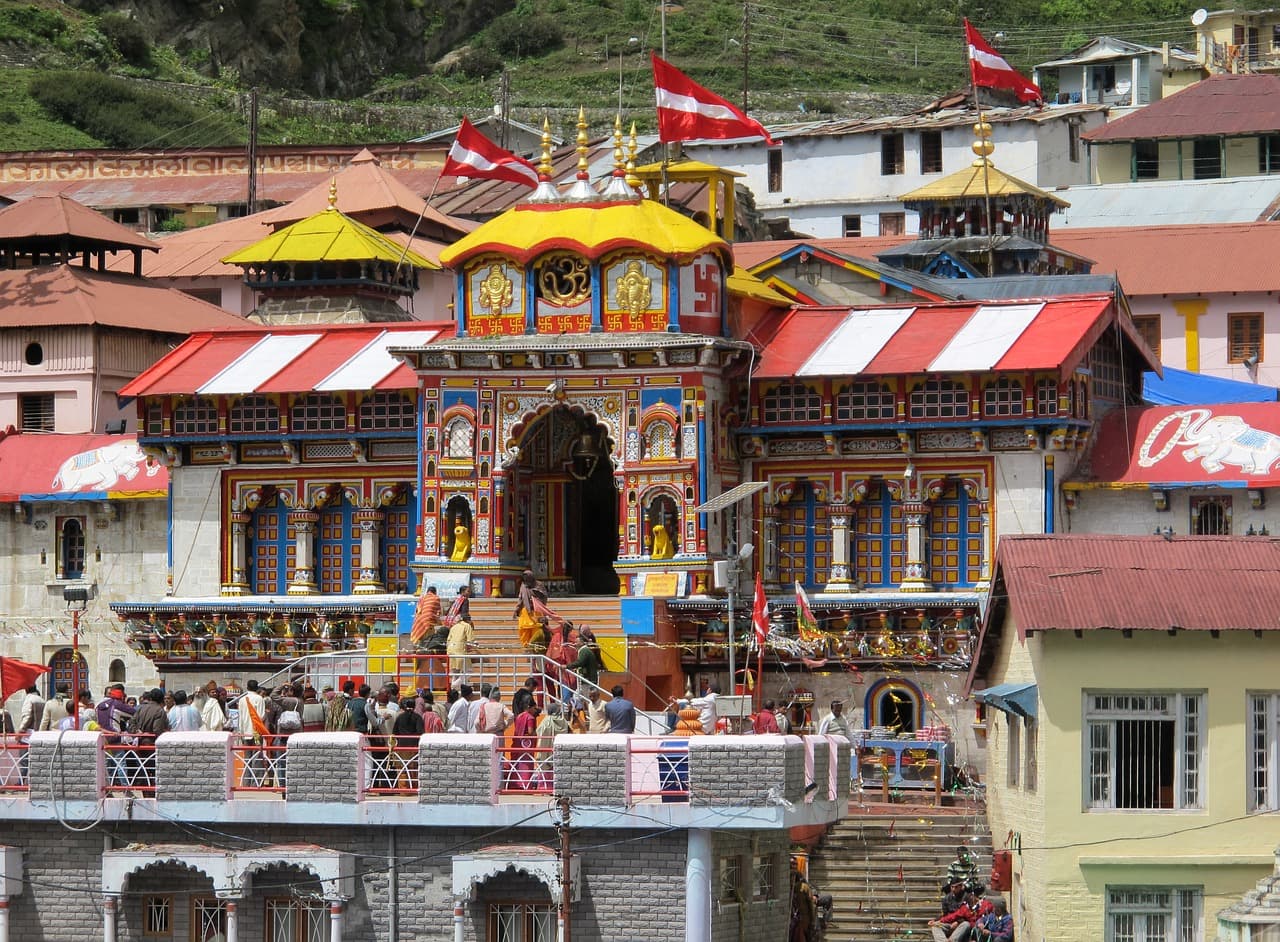
Badrinath Temple is one of the most sacred Hindu temples dedicated to Lord Vishnu and is an important part of the Char Dham Yatra. Situated in the Garhwal region of Chamoli district in Uttarakhand, the temple stands at an elevation of 10,279 feet above sea level on the banks of the Alaknanda River. The temple houses a 3.3 feet tall idol of Lord Vishnu in Padmasana Mudra, regarded as one of the eight Swayam Vyakta Kshetras of Vishnu. Surrounded by majestic Himalayan landscapes, Badrinath attracts thousands of devotees and pilgrims every year. The temple remains open for only six months due to extreme winter weather conditions and usually opens in May and closes around Bhai Dooj. Historically, the temple is believed to have been a Buddhist shrine until Adi Shankaracharya transformed it into a major Hindu pilgrimage center in the 9th century. Legends state that Adi Shankaracharya discovered the idol of Lord Vishnu in the Alaknanda River and established the temple at its present location. The temple has undergone several renovations over centuries, including reconstruction after the 1803 earthquake by the King of Jaipur. According to Hindu mythology, Lord Vishnu meditated here while Goddess Lakshmi took the form of a Badri tree to protect him from harsh weather, giving the place its name ‘Badri Ashram’. Badrinath is also associated with the Pandavas’ ascent to heaven through Mana Village and the legendary penance of Nar and Narayan. Major festivals celebrated here include Mata Murti Ka Mela and the Badri-Kedar Festival.